

Why US Travelers Need Health Coverage in Ukraine
Medical Insurance for US Citizens Traveling to Ukraine Your Peace of Mind Guide
Traveling to Ukraine without proper medical insurance is a gamble you cannot afford. One unexpected hospital visit can drain your savings, so secure comprehensive coverage before you fly. Protect your health and your finances with a plan tailored for US citizens abroad.
Why US Travelers Need Health Coverage in Ukraine
US travelers to Ukraine face significant financial risks from medical emergencies, as standard travel insurance often excludes war-related incidents. The ongoing conflict has overwhelmed local healthcare infrastructure, making evacuation to a stable country essential for serious conditions. Without specific health coverage for Ukraine, a single hospital visit or emergency transport could cost thousands of dollars out-of-pocket. Policies that include coverage for hostile events and medical evacuation are critical, as private clinics require upfront payment. Additionally, comprehensive health coverage for Ukraine protects against trip disruptions caused by sudden security escalations. Given the volatile security environment, securing a policy that explicitly covers wartime scenarios is not optional but a fundamental part of trip planning. This ensures access to timely medical care and safe evacuation options when local facilities are compromised.
Understanding the Risks of Traveling Without a Policy
American travelers heading to Ukraine, whether for volunteer work or business, face unique health risks ranging from unexploded ordnance injuries to sudden escalations in conflict zones. Local healthcare systems are under severe strain, making immediate access to quality care uncertain and expensive. Travel health insurance for Ukraine is not just a safety net—it is a mandatory requirement for entry. Without a policy covering at least €30,000 in medical expenses and repatriation, border officials can deny admission. Protections must include:
- War-risk and political evacuation coverage.
- 24/7 emergency assistance and language support.
- Direct hospital payments to avoid cash crises amid instability.
Skipping this coverage means risking not only your health but your ability to enter the country legally. Secure a compliant plan before departure to stay protected and mission-ready.
How Ukrainian Healthcare Differs from American Systems
US travelers to Ukraine face significant financial risks without health coverage, as the country’s healthcare system remains strained by war and limited resources. International health insurance for Ukraine is essential because medical evacuations to Western hospitals can cost tens of thousands of dollars, and local facilities often require upfront cash payments for even basic care. Additionally, battlefield risks and infrastructure damage create unique hazards, meaning injury or illness may demand immediate, costly evacuation. A comprehensive policy covering emergency https://innovative-ukraine.com/countries/united-states transport, hospital stays, and ambulatory care protects against these unpredictable expenses.

Key Features to Look for in a Travel Medical Plan
When evaluating a travel medical plan, prioritize comprehensive coverage for medical emergencies and evacuation. Essential features include a robust limit for emergency medical expenses, ideally $100,000 or more, and a separate, higher limit for medical evacuation to your home country or a suitable facility. Look for direct payment to hospitals (instead of reimbursement) and 24/7 multilingual assistance services. Also, verify if pre-existing conditions are covered or if a waiver is offered, and check for coverage of adventure sports if relevant.
Always confirm that the policy includes coverage for COVID-19 and other pandemics, as exclusions are common.
Finally, compare deductibles, co-pays, and policy maximums to balance cost with adequate protection against catastrophic events.
Emergency Evacuation and Repatriation Coverage
When evaluating a travel medical plan, focus on coverage for medical emergencies, including hospitalization and evacuation. Emergency medical evacuation insurance is crucial for remote or high-risk destinations. Look for plans that cover pre-existing conditions if applicable, and ensure repatriation of remains is included. Key features to compare include:
- Maximum coverage limits (e.g., $100,000–$1,000,000)
- Deductibles and co-pays per incident
- 24/7 global assistance hotline availability
- Coverage for COVID-19 or other pandemics
- Trip interruption or cancellation benefits
Always confirm whether the plan covers adventure sports or pre-existing conditions—exclusions are common.
Plans with direct billing to hospitals expedite care. Avoid policies with low limits for emergency evacuation, as costs can exceed $50,000. Neutral comparison is key—do not assume all providers offer identical protections.
Pre-Existing Condition Waivers and Exclusions
When evaluating a travel medical plan, focus on coverage limits and exclusions to avoid financial gaps. Emergency medical evacuation is a critical feature, as it covers transport to adequate care or repatriation. Key elements to examine include:
- Minimum coverage of $100,000 for medical expenses.
- Pre-existing condition clauses and waivers.
- 24/7 assistance hotline and direct billing.
- Coverage for high-risk activities like diving or trekking.
Always verify if the plan covers COVID-19 or pandemic-related illnesses.
Additionally, check for deductibles, co-pays, and trip interruption benefits. Plans with no annual limit on hospital stays offer the strongest protection. Compare policies for destination-specific exclusions, such as adventure sports or remote area access.
Top Insurance Providers for Ukraine Trips
For travel to Ukraine, securing comprehensive coverage from top insurance providers for Ukraine trips is non-negotiable, given the current security landscape. AXA Assistance USA stands out with its “Security Zone” policy that explicitly covers war-related risks, offering medical evacuation and high liability limits. Similarly, Battleface provides specialized high-risk travel insurance tailored for conflict zones, ensuring you are protected against trip interruptions and emergency medical costs. World Nomads remains a strong contender for flexible, adventure-focused plans that include robust medical coverage. Your safety in such an environment depends entirely on choosing the right policy before departure. For unmatched peace of mind, prioritize providers who offer 24/7 multilingual support and immediate claims processing, as standard travel insurance often excludes coverage in active conflict areas.
Comparing Global Carriers with Local Support Networks
When planning travel to Ukraine, selecting top insurance providers for Ukraine trips requires a focus on comprehensive war-risk and medical evacuation coverage. Companies like SafetyWing, World Nomads, and AXA offer tailored plans that often include emergency evacuation, trip cancellation due to conflict, and coverage for hospitalization or injury from non-hostile events. Comprehensive war-risk travel insurance for Ukraine is essential, as standard policies typically exclude active conflict zones. It is crucial to verify that your chosen provider explicitly covers Ukraine, as some insurers limit or deny claims in high-risk regions. Always review the fine print for exclusions on specific cities or military actions.
Specialized Policies for Conflict-Affected Zones
When I planned my trip to Ukraine, I knew standard coverage wouldn’t cut it. Travel insurance for Ukraine trips must address war-related exclusions, which most providers still deny. I found three who stepped up. World Nomads paired me with a partner policy that included crisis response and medical evacuation. AXA’s Platinum plan covered trip disruption near conflict zones—a lifesaver when my flight got rerouted. SafetyWing, built for digital nomads, offered monthly subscriptions that adapted as I moved from Kyiv to Lviv. Each provider forced me to read the fine print, but that diligence let me explore Odesa’s opera house and the Carpathian trails without that knot of fear in my stomach.
What to Do When You Need Medical Care in Ukraine
When you need medical care in Ukraine, act decisively and immediately. For life-threatening emergencies, dial 103 to summon an ambulance, but be prepared for potential delays in rural areas. Private clinics are your best option for non-critical issues, offering faster service and English-speaking staff in major cities like Kyiv, Lviv, and Odesa. Always carry travel health insurance that covers Ukraine, as you will need to pay upfront and submit receipts for reimbursement. Keep a list of embassy contacts handy, and consider telemedicine services for quick consultations. By prioritizing private facilities and having your insurance details ready, you ensure access to reliable, efficient treatment without bureaucratic hurdles.
Steps for Filing a Claim While Abroad
When you need medical care in Ukraine, first call the national emergency number 103 for an ambulance, where operators may connect you with an English-speaking dispatcher in larger cities. For non-urgent cases, seek out private clinics, which often have faster service and multilingual staff, while public hospitals can handle serious conditions but may require patience with paperwork. Accessing urgent care in Ukraine means keeping your passport and health insurance documents handy, as facilities typically demand payment upfront for foreign visitors.
If you’re in a smaller town, ask a local shopkeeper or pharmacist for the nearest “likarnya” (hospital) or “apteka” (pharmacy), as community knowledge is invaluable. Pharmacies—marked by a green cross—can treat minor issues like colds or infections with over-the-counter remedies, but always confirm drug names in Ukrainian. For emergencies, do not drive yourself; instead, wave down a taxi or ask a bystander for help, as Ukrainians are often willing to assist with transportation. Finding English-speaking doctors abroad is possible in Kyiv, Lviv, or Odesa, where international clinics like Dobrobut or American Medical Centers operate.
Finding English-Speaking Doctors and Hospitals
For urgent medical care in Ukraine, dial 103 for an ambulance or go directly to the nearest emergency room (pryymalne viddilennya). **Accessing Ukrainian healthcare as a foreigner** requires a valid passport and proof of health insurance. State hospitals provide basic emergency treatment for free, but for non-emergencies, private clinics like Dobrobut, Medikom, or Adonis offer English-speaking staff and faster service, charging up-front fees. Carry a list of critical medications with their international generic names, as local brands vary. Avoid self-treatment at pharmacies for serious issues; seek a doctor’s prescription for antibiotics. In war-affected regions, expect longer wait times and check local alerts for safe routes to medical facilities.
Coverage Gaps That Could Cost You
When you don’t check your policy closely, coverage gaps in your insurance can quietly drain your savings. For example, many homeowners assume flood or earthquake damage is standard, but those are often separate add-ons. Auto policies might exclude rental cars or rideshare driving, leaving you on the hook for thousands. Health plans can have narrow networks, meaning an out-of-network ER visit could cost you a fortune. Even umbrella policies have exclusions for business activities or intentional acts. The trick is to review your declarations page and ask your agent about common blind spots like “water backup” or “uninsured motorist” scenarios. A tiny oversight now can become a massive bill later.
Q: I rent—do I need coverage for my laptop?
A: Yes! Your landlord’s policy won’t replace your tech if it’s stolen or damaged in a fire. A renter’s policy is cheap and protects your actual stuff.
Civil Unrest and Terrorism Clauses
Even solid policies can hide nasty surprises. Coverage gaps that could cost you often sneak in through fine-print exclusions like flood, earthquake, or sewer backup damage. For homeowners, a missing “law and ordinance” clause means paying out-of-pocket if local codes require costly upgrades after a claim. Auto policies that only offer “stated value” for a classic car—instead of “agreed value”—can leave you with a fraction of its worth after a total loss. The biggest surprise? Liability coverage that’s too low to handle a serious lawsuit. Check your declarations page regularly and ask your agent about add-ons. A few dollars more in premiums today can save you thousands tomorrow.
Q: What’s the fastest way to spot a gap?
A: Read the “Exclusions” section of your policy. It lists exactly what isn’t covered.
Limitations on Adventure or High-Risk Activities
Ignoring insurance coverage gaps can turn a minor incident into a personal financial crisis. These blind spots often emerge where policies explicitly exclude common risks. For example, standard homeowners insurance rarely covers flood damage or sewer backups, while many health plans exclude out-of-network specialists or routine dental care. Auto policies may also cap rental car reimbursement at an unrealistic daily rate. Without proactive review, you could face tens of thousands in out-of-pocket costs.
- Health Insurance: Missing out-of-network coverage or high deductibles for emergency care.
- Homeowners Insurance: Excluded perils like earthquakes, mold, or high-value jewelry.
- Auto Insurance: Low liability limits or no gap coverage for a financed vehicle.
The cost of closing these gaps is far lower than the cost of being underinsured. Always read your policy’s exclusions, and ask your agent to stress-test your coverage against realistic worst-case scenarios. A small premium increase today prevents a massive loss tomorrow.
How Much Does a Suitable Plan Typically Cost

The cost of a suitable plan varies significantly based on scope and provider. For a basic personal budget or simple project timeline, free tools or low-cost templates may suffice. However, comprehensive digital marketing or business strategy plans often range from $500 to $5,000 for small-to-medium enterprises. Enterprise-level plans, which include detailed analytics and custom integrations, typically cost between $10,000 and $100,000 annually. Subscription-based software plans for project management or customer relations average $15 to $200 per user per month. The key is aligning the plan’s features—such as real-time collaboration, reporting, or compliance support—with your specific needs. Always request a detailed quote, as hidden setup fees or scaling costs can inflate the final price. A well-chosen plan balances functionality against budget constraints.
Pricing Factors Like Age, Trip Duration, and Coverage Limits
A suitable plan’s cost varies widely based on scope and provider, typically ranging from $10 to $200 per month for individual coverage. Affordable monthly premiums often start at entry-level tiers, while comprehensive plans with low deductibles and broad networks cost more. Family or business plans can climb to $500–$1,500 monthly. Key factors include location, age, included services, and contract length. For precise budgeting, always compare official quotes directly.
Ways to Save Without Sacrificing Protection
Sarah scrolled through endless web hosting options, frustrated by hidden fees. A suitable plan typically costs between $10 and $30 monthly for most small businesses, balancing performance and budget. Website hosting plan cost varies widely based on features like storage, bandwidth, and support. For basic blogs, shared hosting starts at $5–$10, while e-commerce sites often need VPS or dedicated servers priced $30–$100. The key is to avoid overpaying for unused extras. A plan that fits today’s traffic might need an upgrade tomorrow.
- Shared hosting: $5–$10/month
- VPS: $20–$60/month
- Dedicated: $80–$200/month
- Managed WordPress: $10–$30/month
Legal and Logistical Considerations for Americans
When planning a trip abroad or a big move, you need to sort out some serious legal and logistical considerations for Americans. First, check your passport’s expiration date—many countries require it to be valid for six months beyond your stay. You’ll also need to research visa requirements; a tourist visa won’t cut it if you’re working or studying. Logistically, notify your bank and credit card companies to avoid a frozen account, and look into an international phone plan or a local SIM. Don’t forget travel insurance, which covers medical emergencies and trip cancellations. Finally, register with the Smart Traveler Enrollment Program (STEP) to get safety alerts from the U.S. embassy. These steps keep your adventure safe and stress-free.
Visa Requirements and Proof of Insurance
For Americans, staying legal while handling logistics means thinking ahead, especially when traveling or shipping items. You need valid passports, visas if required, and to follow import/export rules from U.S. Customs. Logistics-wise, plan for weight limits, banned items, and insurance for valuables. Schedule a shipment with a reliable carrier to avoid delays at borders. Key steps include:
- Check passport validity (6+ months before expiration).
- Declare all goods over $800 when returning.
- Use tracking for essential documents.
“The cheapest option isn’t always the fastest—prioritize compliance over cost.”
Also, note state-level tax rules if moving across states, as sales tax and registration fees vary. For international moves, get a customs broker to clear shipments smoothly.
Using US-Based Insurance as a Backup
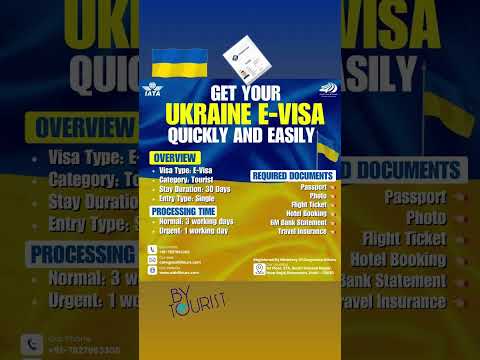
For Americans considering international moves, understanding the legal requirements for residency and taxation is non-negotiable. You must secure the correct visa or work permit before relocating, as overstaying can trigger deportation and future entry bans. Logistically, shipping household goods involves customs paperwork, duties, and restrictions on items like firearms or certain medications. Double-entry bookkeeping for U.S. and foreign taxes often requires a specialized accountant to avoid penalties. Additionally, maintaining a U.S. bank account and phone number is critical for identity verification, while securing health insurance that meets local coverage minimums can prevent financial ruin. Failing to notify the IRS or Social Security Administration of a foreign address can complicate future benefit claims.
Common Mistakes When Choosing Coverage
Choosing insurance coverage can feel like navigating a maze, but many folks trip over the same common mistakes. The biggest error is simply buying the cheapest policy without checking what it actually covers, which leaves you exposed. Another frequent blunder is neglecting to update your coverage after major life changes like a new baby or home renovation. People also tend to overlook important deductible details, picking a high deductible to save monthly but then struggling to pay it when a claim arises. Finally, many skip reading the fine print, missing crucial exclusions. Avoiding these pitfalls starts with focusing on comprehensive protection rather than just a low price tag.
Overlooking the Fine Print on Hospital Networks
Picking insurance coverage often trips people up because they focus on price over protection. A huge mistake is underinsuring your assets to save a few bucks, which can leave you financially wrecked after a claim. Many also miss the fine print on exclusions and deductibles, assuming “comprehensive” covers everything. Others forget to update their policy after major life changes, like buying a new car or renovating a home. To avoid getting burned:
- Always read the policy details, not just the ad.
- Shop for value—lowest premium often means weakest coverage.
- Ask your agent what’s NOT included.
- Reassess your coverages annually.
Skimping now can cost you big later, so balance your budget with realistic risk.
Assuming Medicare or Domestic Plans Work Abroad
Choosing insurance coverage often falters due to a focus solely on low premiums. A common error is underinsuring assets to save money, which leaves policyholders with insufficient funds after a loss. Others overlook critical exclusions or gaps in protection, such as flood or earthquake damage, assuming standard policies cover all disasters. Additionally, many fail to adjust coverage as their circumstances change, like after a home renovation or the purchase of valuables. Neglecting to compare deductibles and out-of-pocket maximums also leads to unexpected financial strain during claims.
Resources for Up-to-Date Travel Health Advice
Looking for the latest on travel health advice before your next trip? Ditch the guesswork and head straight to official sources. The **World Health Organization (WHO)** and the **Centers for Disease Control and Prevention (CDC)** are your go-to hubs for verified updates on outbreaks, required vaccinations, and local health risks. Their travel-specific pages break down everything from malaria zones to food safety tips. For real-world, user-reported insights on things like altitude sickness or clinic quality, peer forums and travel blogs can offer helpful context—just cross-check with official guidelines. Always check your country’s foreign office site too, as they often post critical alerts. Remember, advice changes fast, so revisit these resources a week before departure to ensure your health stays on track. Being proactive keeps your adventure safe and enjoyable.
State Department Alerts and Embassy Medical Lists
For reliable, expert-backed travel health advice, the primary resource is the World Health Organization (WHO) International Travel and Health website, which provides global disease outbreak maps and country-specific vaccine recommendations. Supplement this with your national health authority, such as the CDC’s Travelers’ Health page or the UK’s Fit for Travel service, which offer real-time alerts and destination-specific risk assessments. To stay current, consult a travel medicine clinic at least four to six weeks before departure; they access proprietary databases for region-specific prophylaxes and medication resistance patterns. Essential resources include:
- Official government sites: CDC (USA), WHO (global), NHS Fit for Travel (UK).
- Travel medicine networks: ISTM (International Society of Travel Medicine) directory.
- Real-time alerts: Travel health advisory apps (e.g., Travel Health Pro).
- Local clinics: Accredited immunization centers for personalized risk assessment.
Online Tools for Comparing Policy Options
For reliable, current travel health advice, turn directly to authoritative sources. The World Health Organization and the U.S. Centers for Disease Control and Prevention provide the most evidence-based travel health guidance, updated to reflect real-time outbreaks and vaccine recommendations. These platforms offer region-specific alerts, required immunizations, and prevention strategies for diseases like malaria or yellow fever. Always check your destination’s entry requirements, as some nations mandate proof of yellow fever vaccination. For personalized advice, consult a travel medicine clinic at least four to six weeks before departure. Avoid relying on social media or anecdotal reports, which can be dangerously outdated or inaccurate. Trusting these official resources ensures your journey remains safe and well-prepared.